The evolution of men's formal trousers
From knee breeches to the pressed, creased trouser of modern tailoring — how a once-informal garment became the foundation of formal dress.
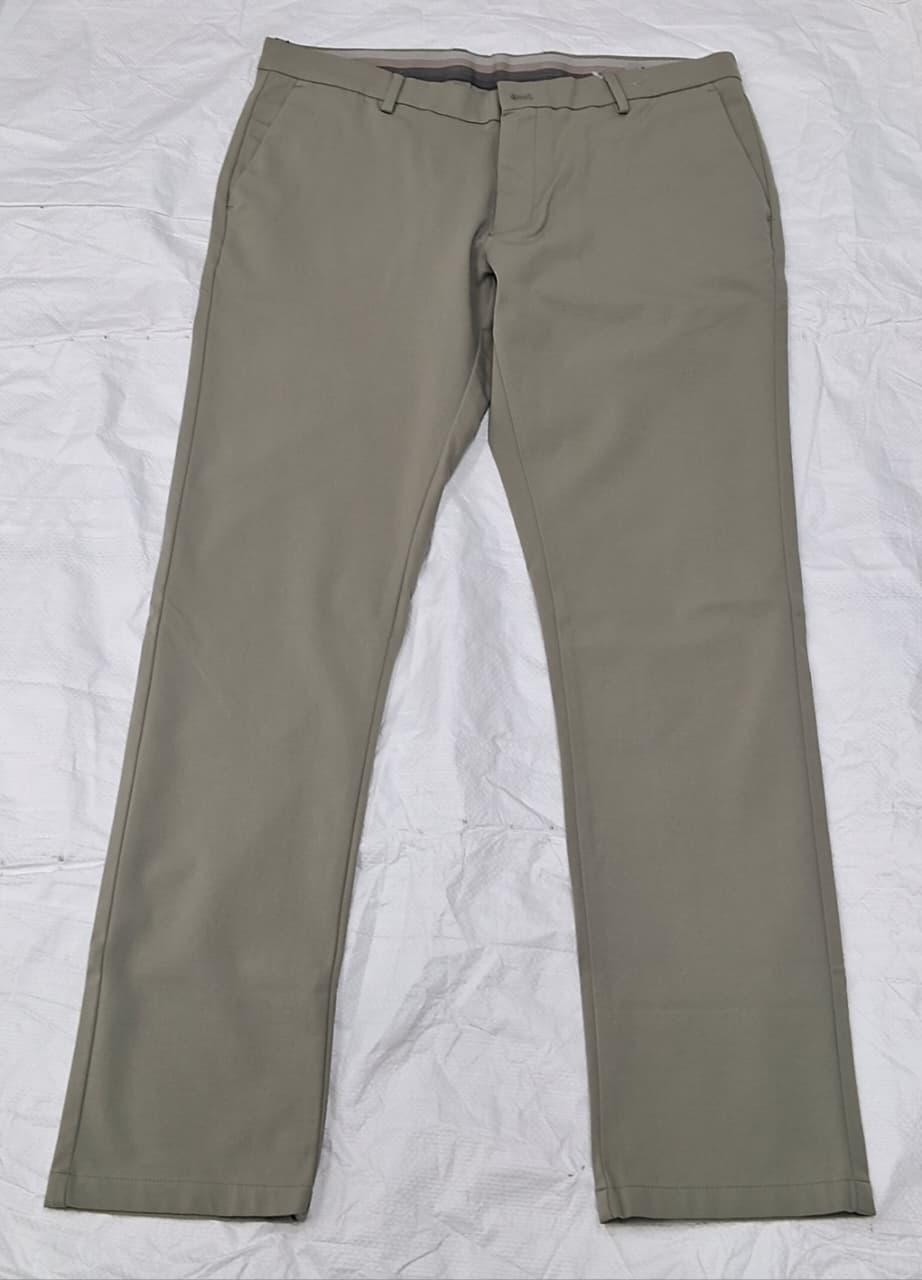
For most of the eighteenth century, a well-dressed European man did not wear trousers at all. He wore knee breeches with stockings, and long trousers belonged to labourers, sailors and working men. The formal trouser we now take for granted began as a borrowing from below — and from military dress — before it became the foundation of tailored clothing.
From breeches to trousers
Around the turn of the nineteenth century, fashionable men began to exchange breeches for longer, closer-fitting pantaloons and then for trousers proper. The change was gradual rather than sudden, and over the following decades trousers moved from daywear and riding into evening dress. By the middle of the century, full-length trousers had become the ordinary garment of the city, and breeches survived mainly in court and ceremonial costume.
Early trousers were often cut high, held up by braces rather than belts, and fastened with buttons. Some used a fall front — a buttoned flap across the front — before the centre fly became the norm. The idea that a trouser should sit at the natural waist, with shirt and waistcoat covering the join, persisted for a long time and still shapes classic formal trousers today.
The crease and the turn-up
Two details that now read as unmistakably formal arrived surprisingly late. The pressed front crease became common around the turn of the twentieth century, as pressing became part of the routine care of clothes. Before that, a sharp fold could simply suggest a garment that had been stored flat on a shelf. Once adopted, the crease gave the leg a clean vertical line, and it has defined formal trousers ever since.
The turn-up, or cuff, is associated with the Edwardian era. It began as a practical fold to keep hems clear of mud and became a style in its own right, adding a little weight at the ankle so the trouser hangs cleanly.
The details that define formal trousers today began as practical solutions — a fold against mud, a press against creasing — and stayed because they looked right.
Pleats, width and the post-war line
In the first half of the twentieth century trousers grew fuller. Front pleats released extra cloth over the hip so that a high-waisted, wide-legged trouser could move comfortably, and this generous silhouette dominated the years between the wars. After the Second World War the line gradually narrowed. Flat fronts, slimmer legs and a lower rise came to signal modernity, while belts and zip flies increasingly replaced braces and buttons.
Since then the pendulum has kept swinging: fuller, pleated trousers returned in some decades, very slim cuts dominated others. Each swing changed rise, leg width and length together, because those proportions are linked.
Where that leaves us
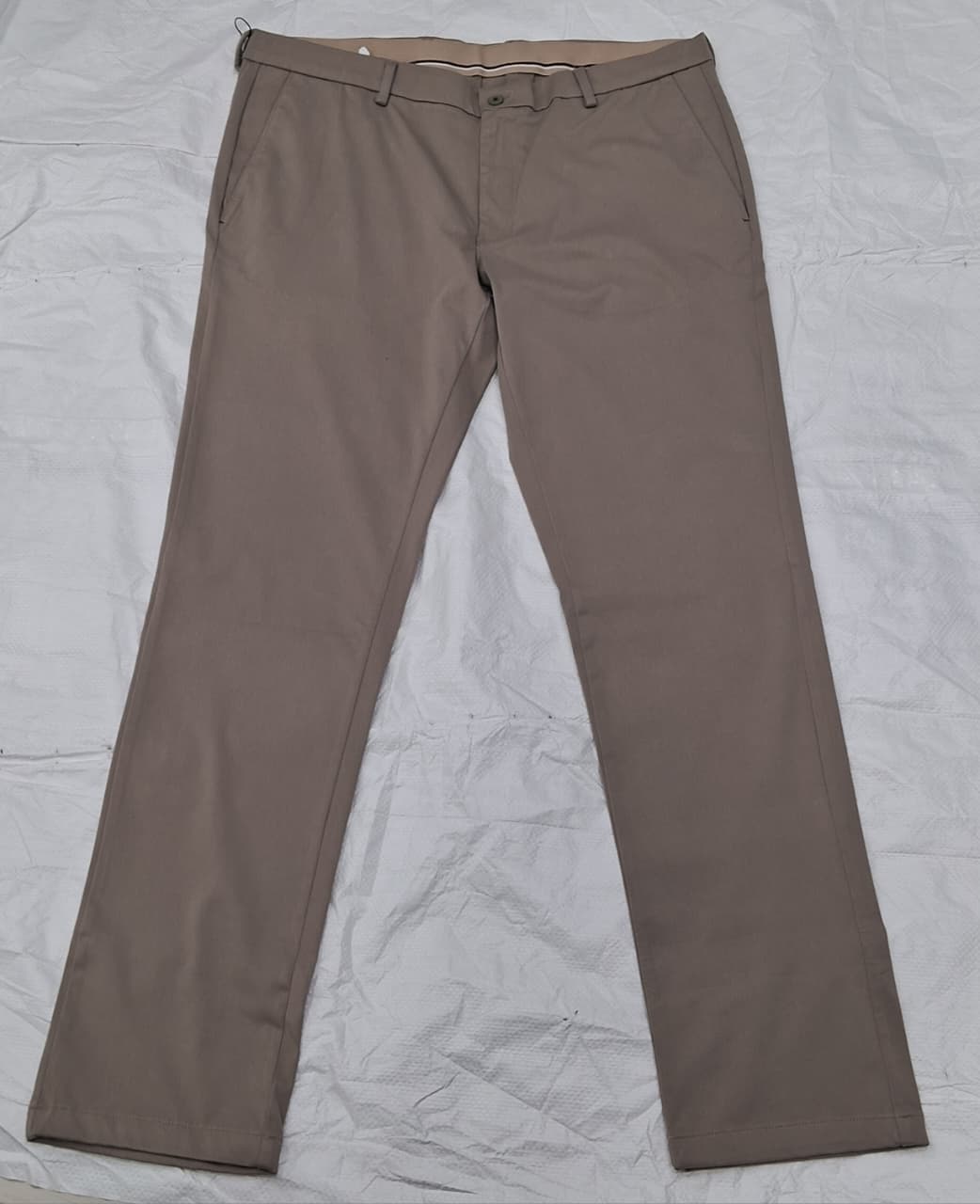
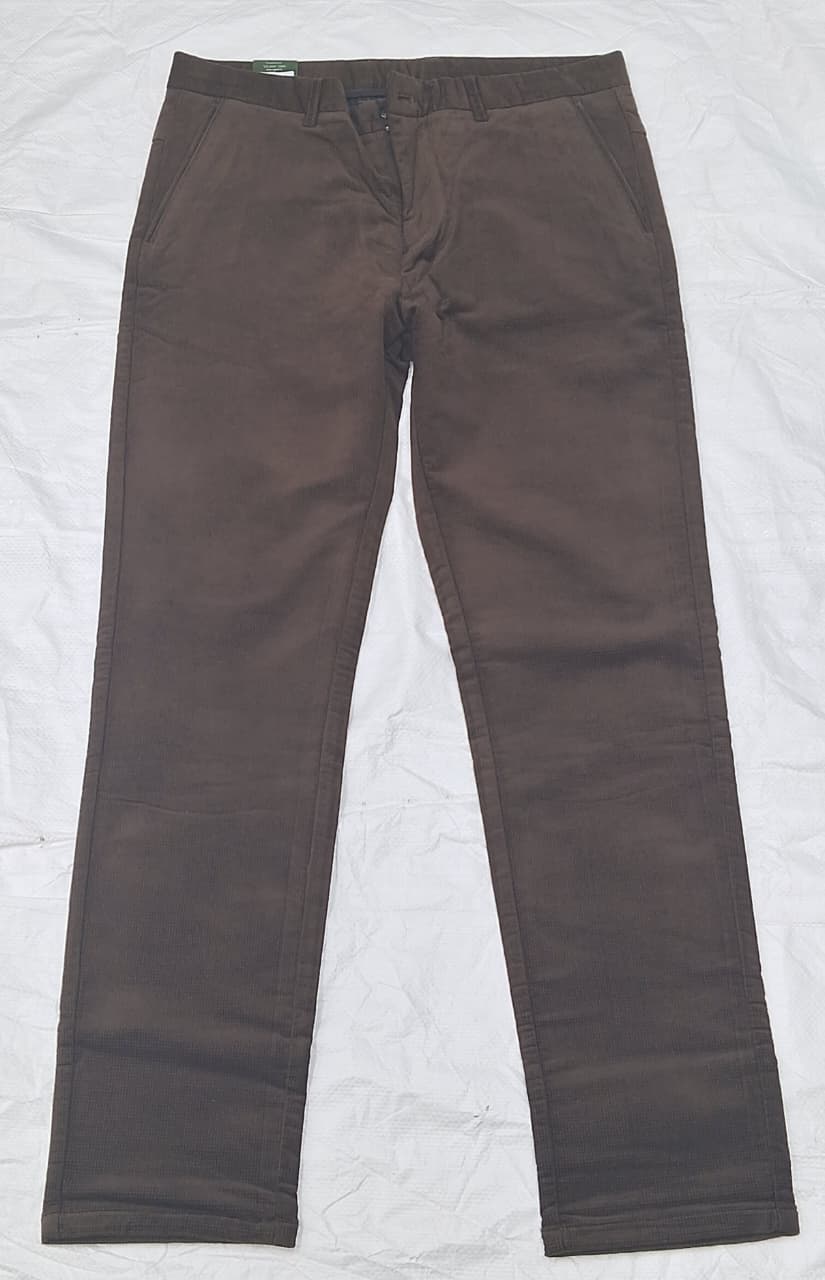
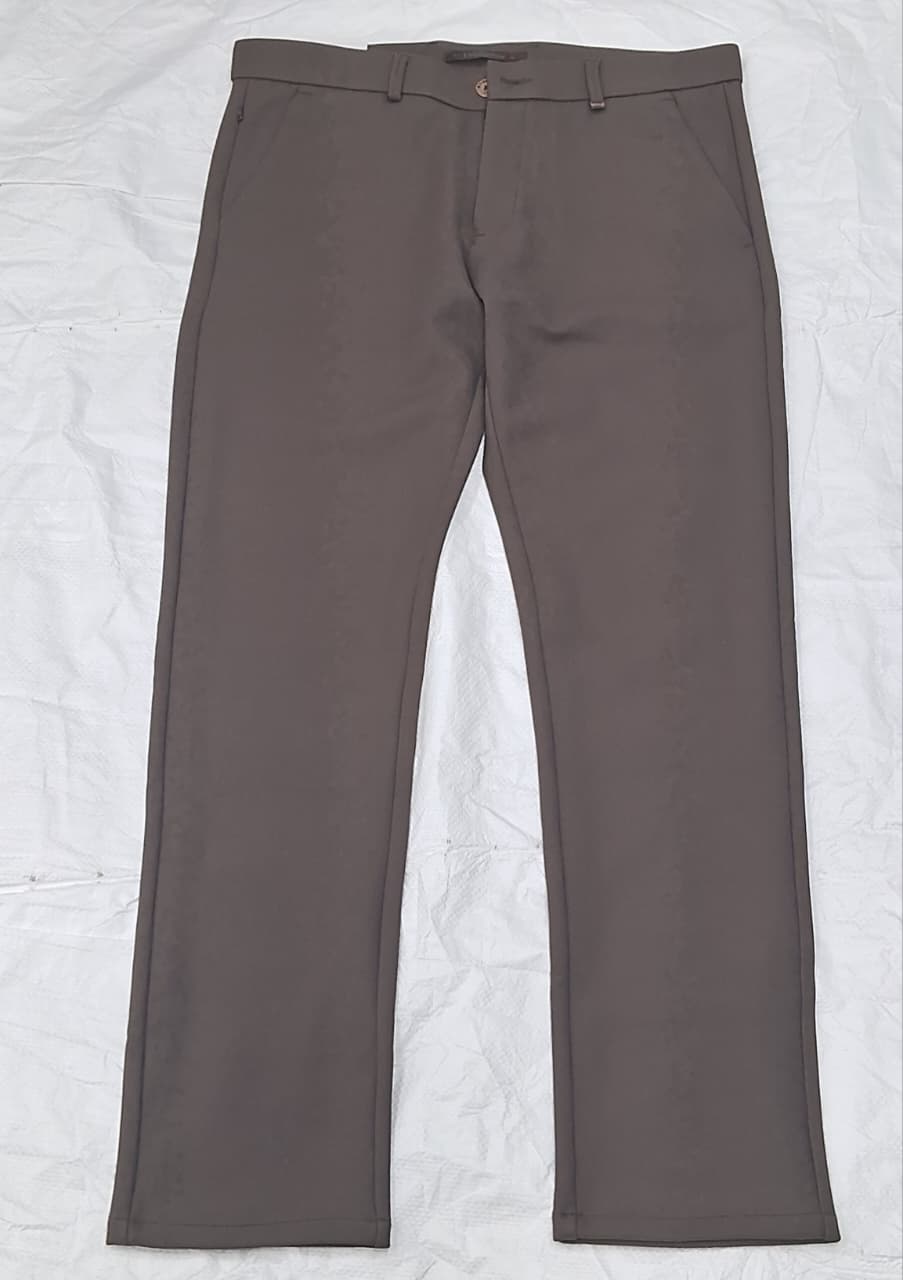
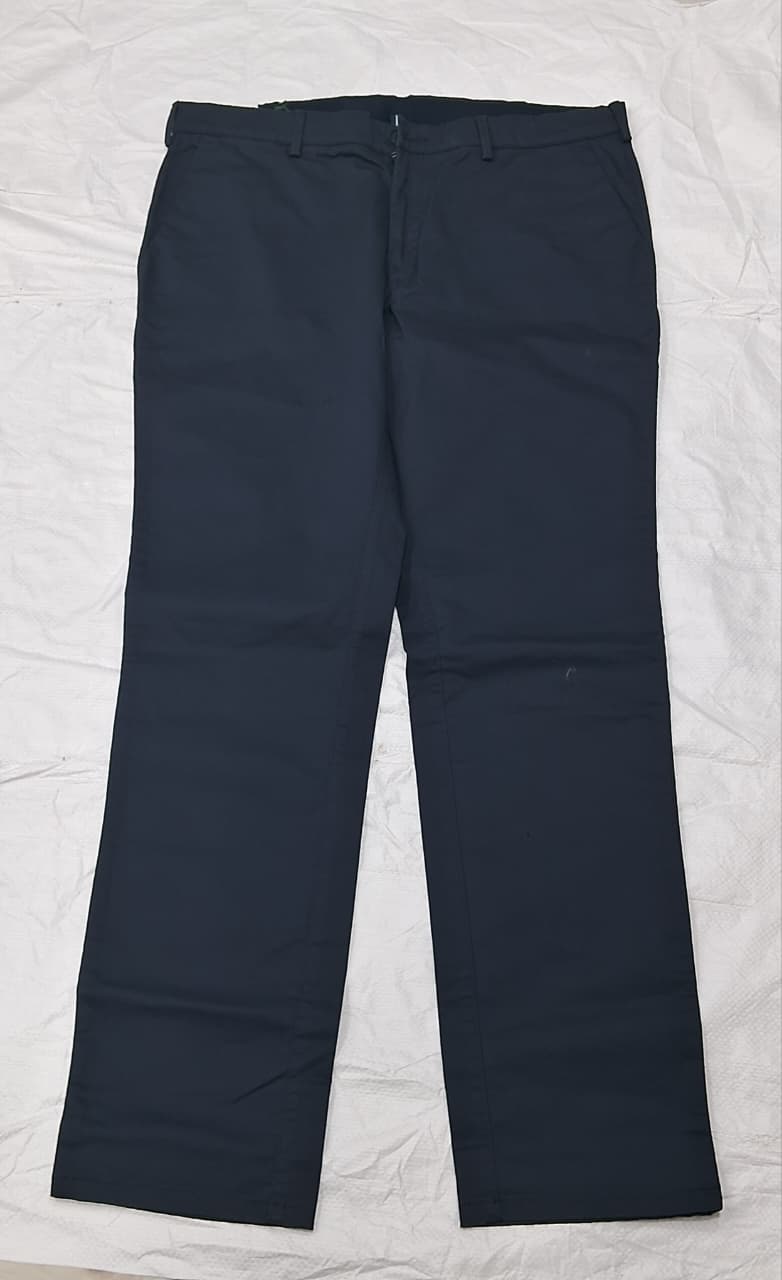
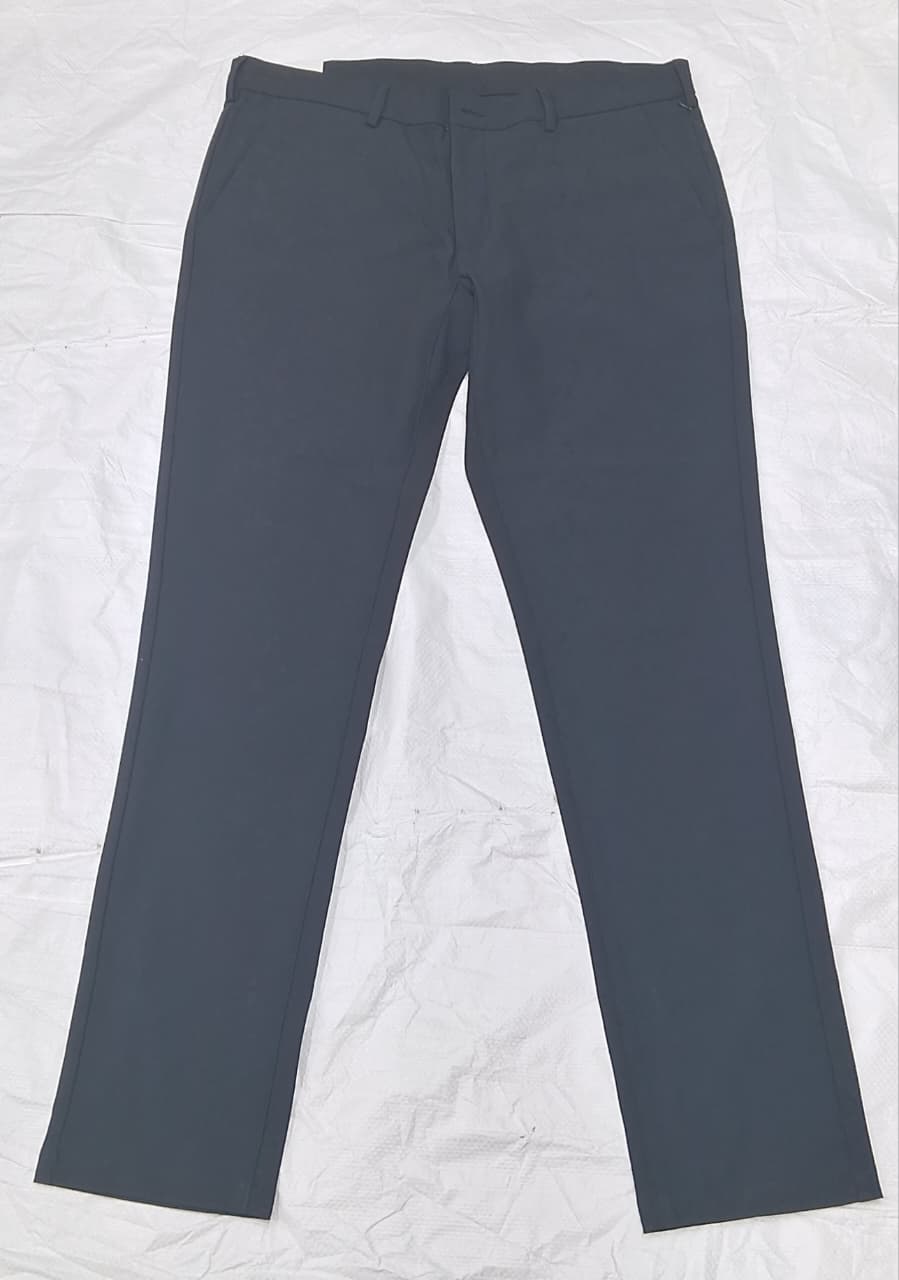
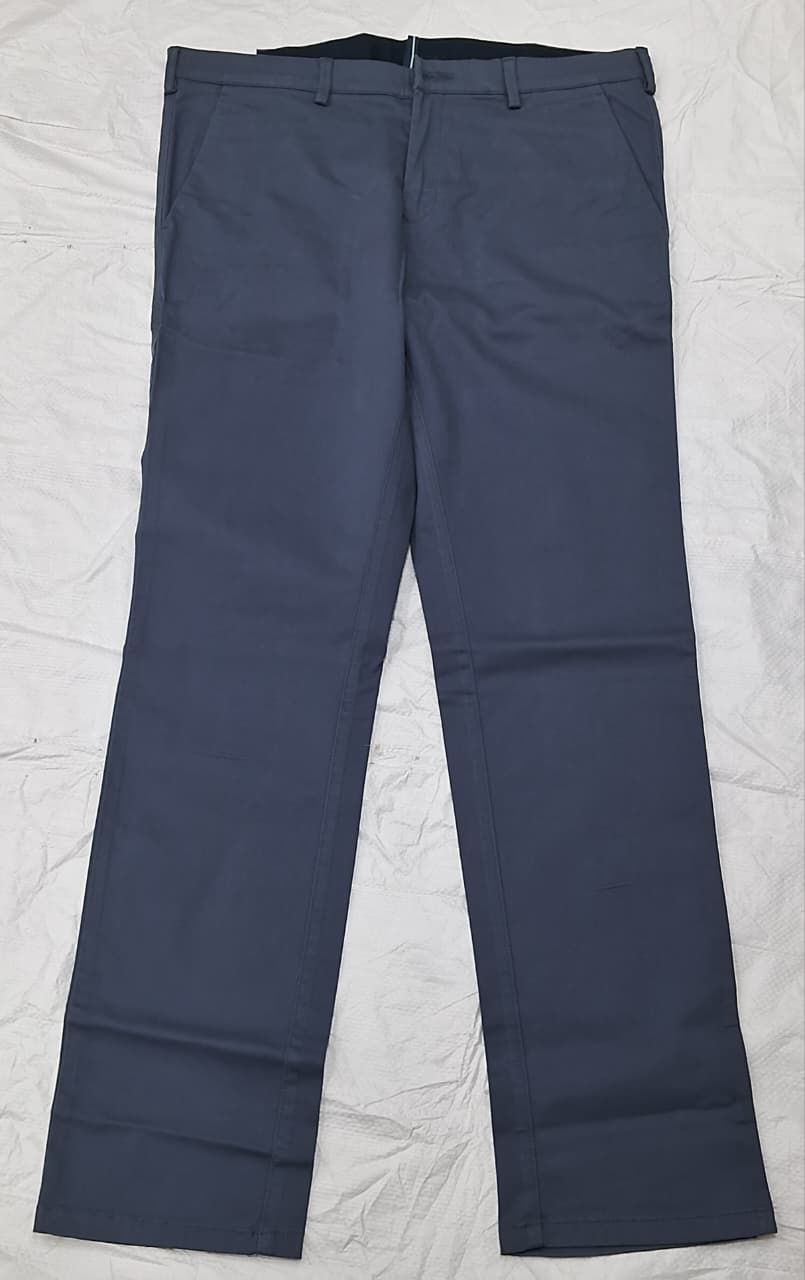
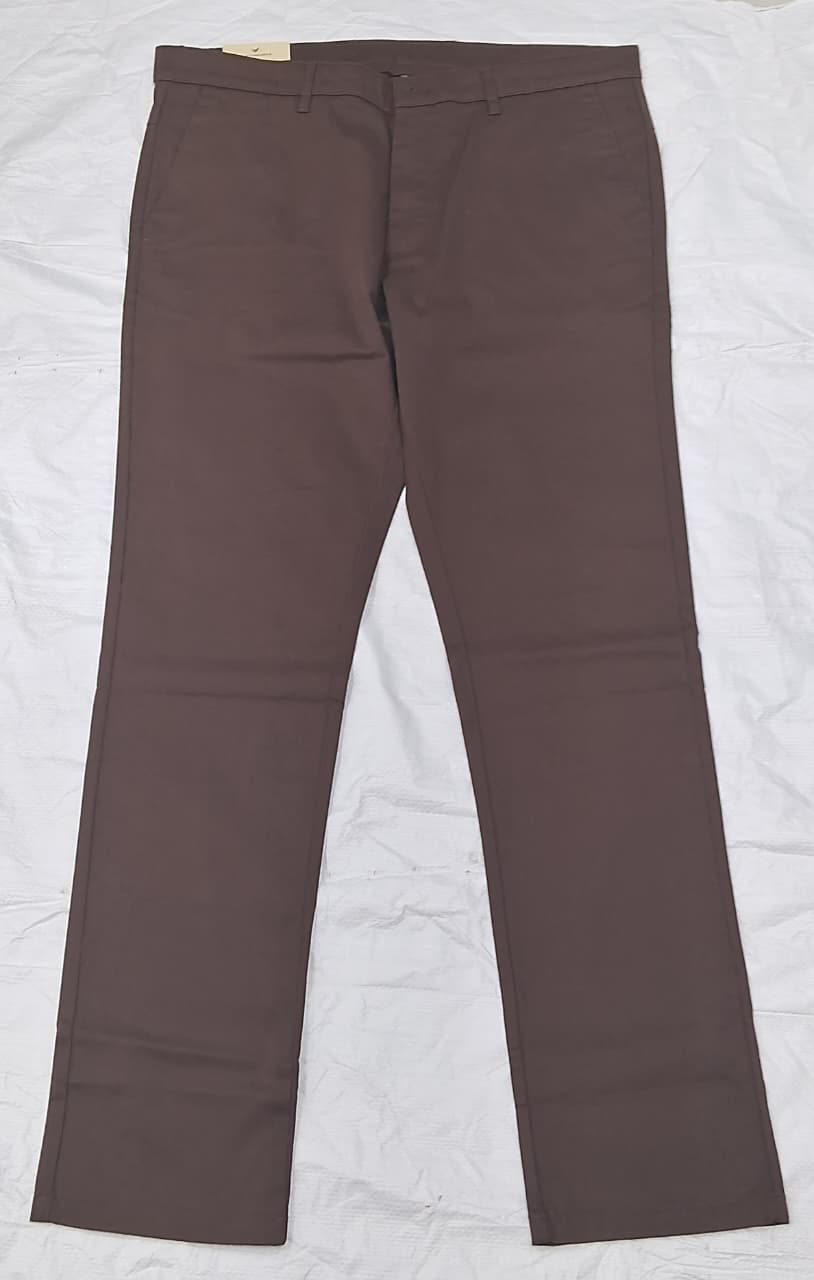
Today there is no single correct width. Men's formal trousers range from slim fit formal pants with a gentle taper to regular fit and straight cuts, and pleats are once again a respectable choice. What has stayed constant is the vocabulary — waistband, rise, crease, hem — and the idea that a formal trouser should look composed while letting the wearer move freely. The Lab explores that design thinking, and Construction looks at the details one by one.