§ 06The material library
Material defines character.
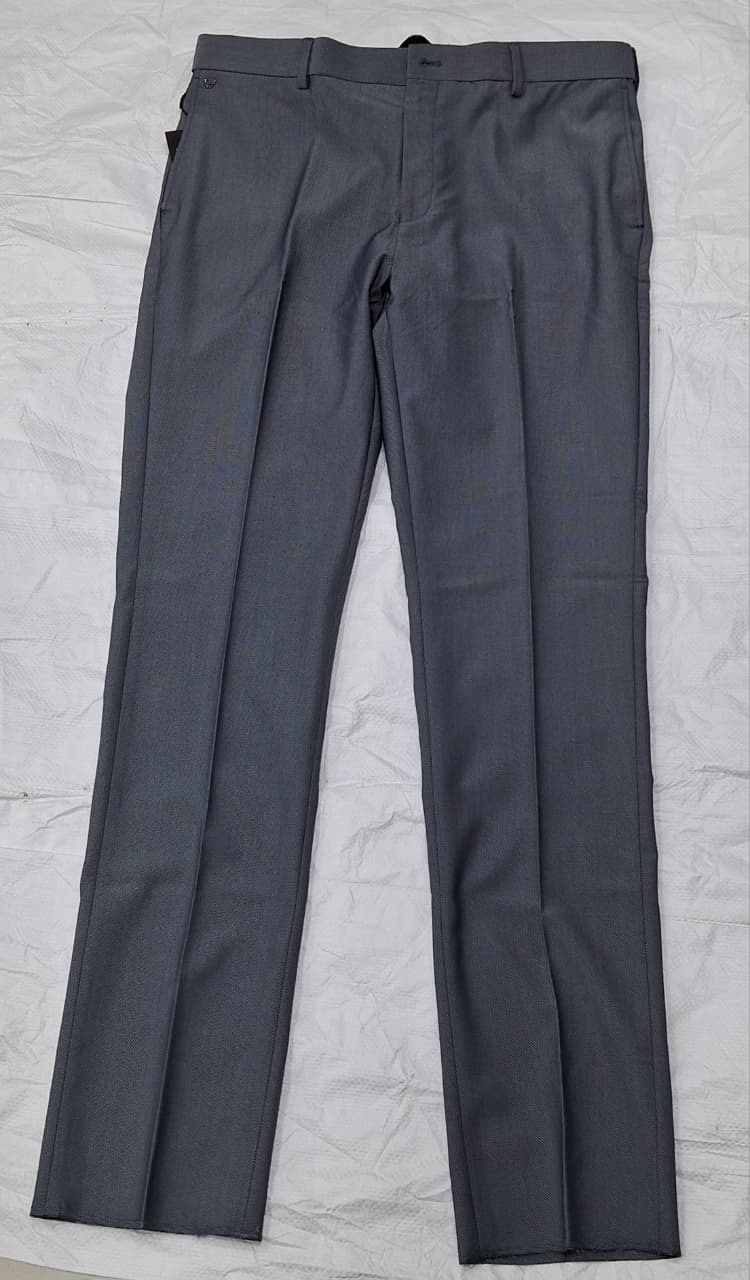
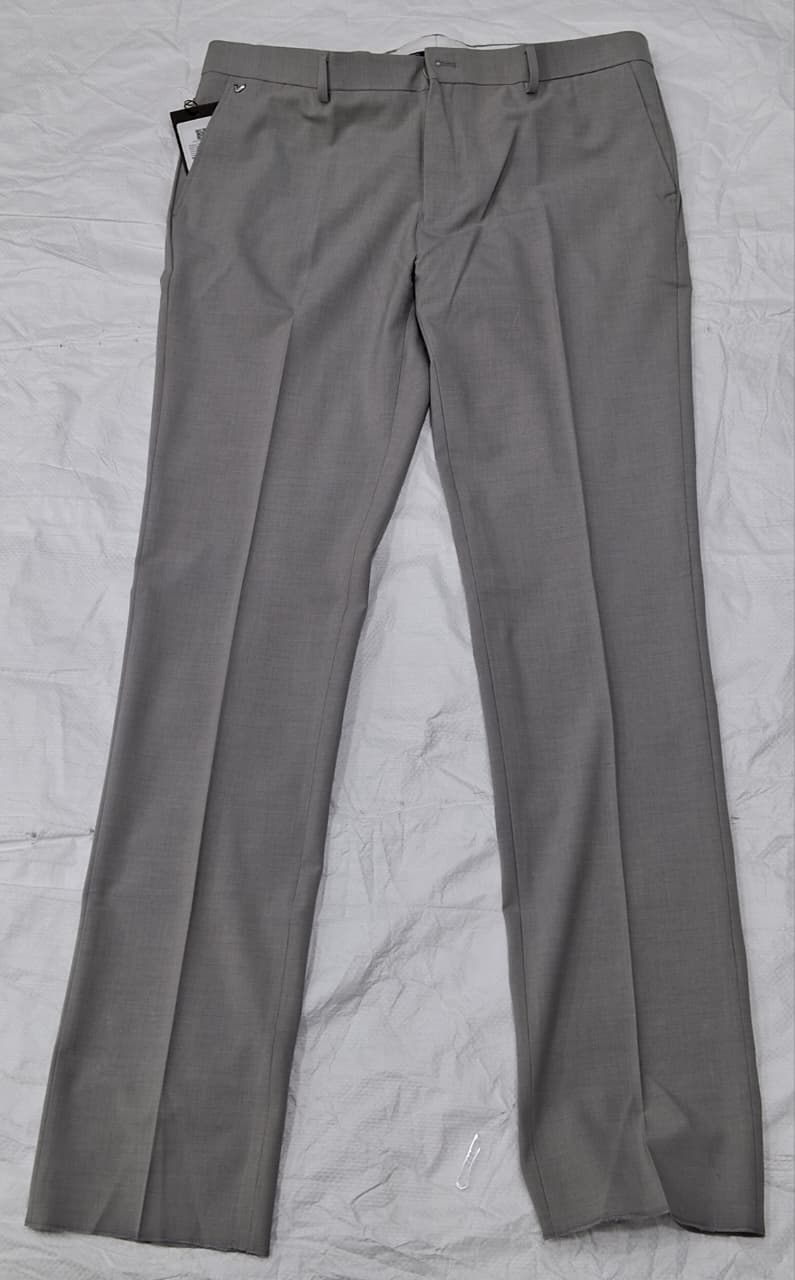
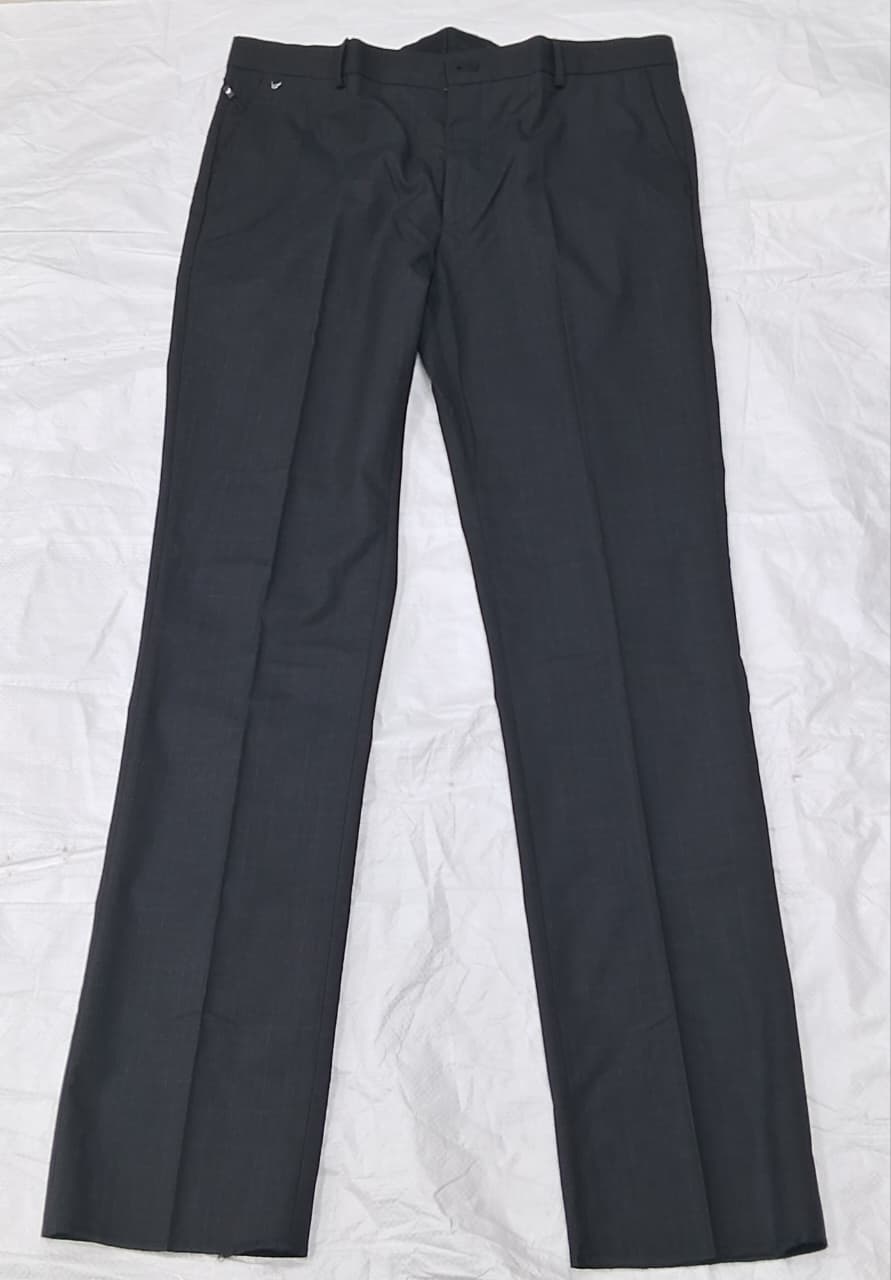
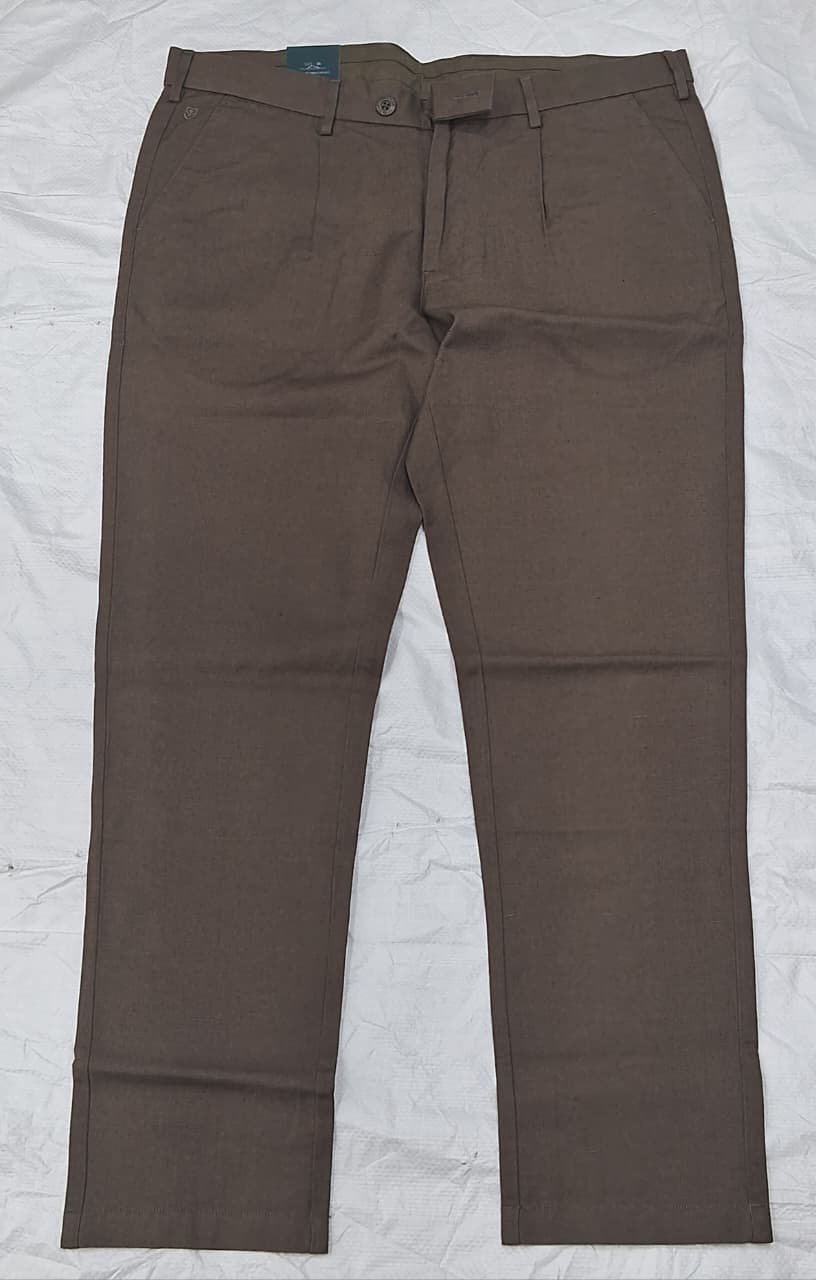
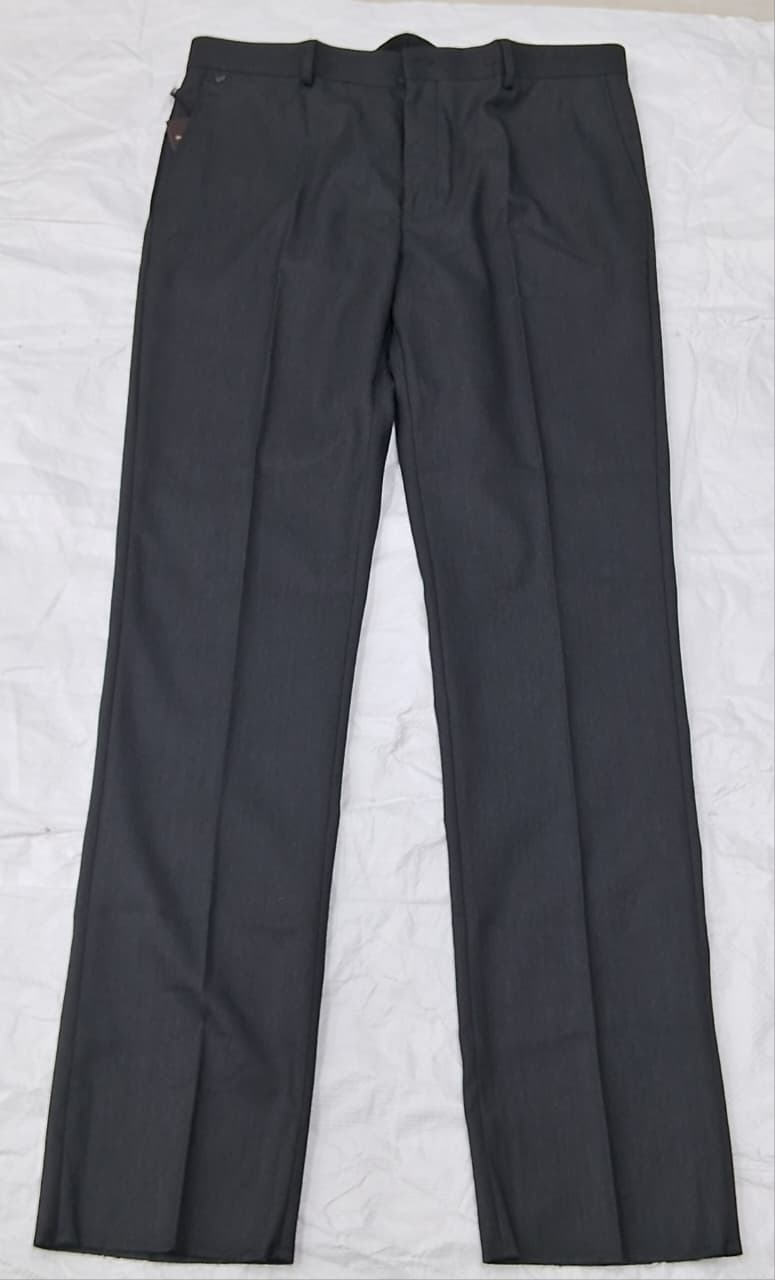
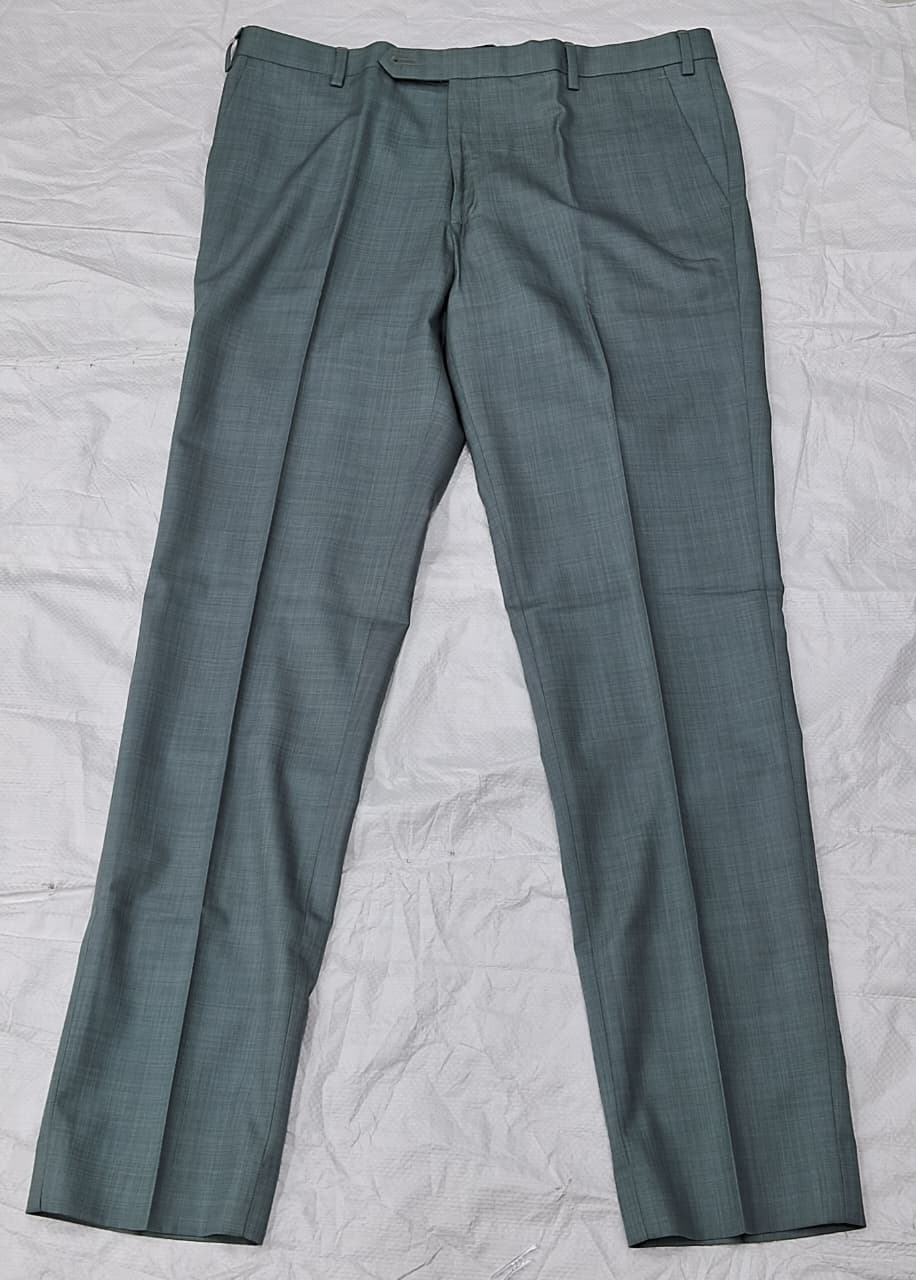
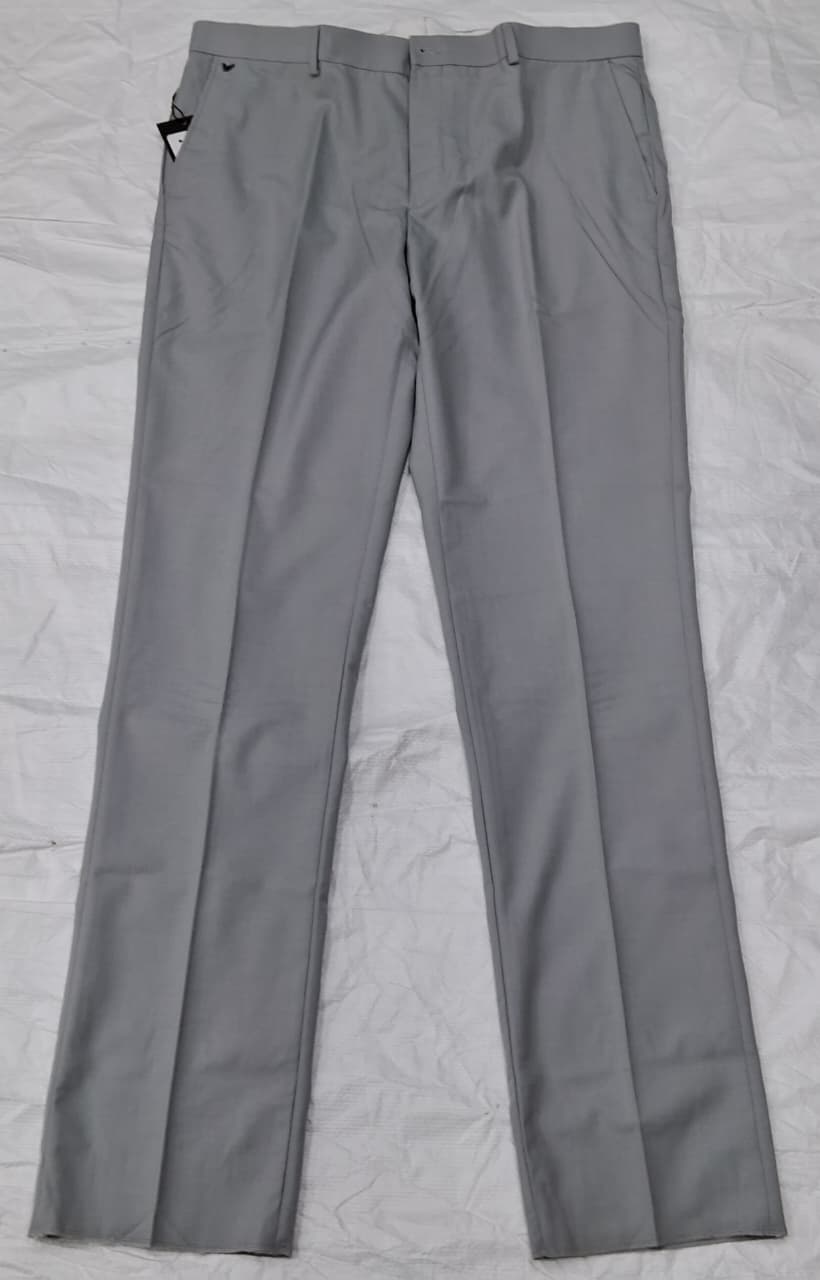
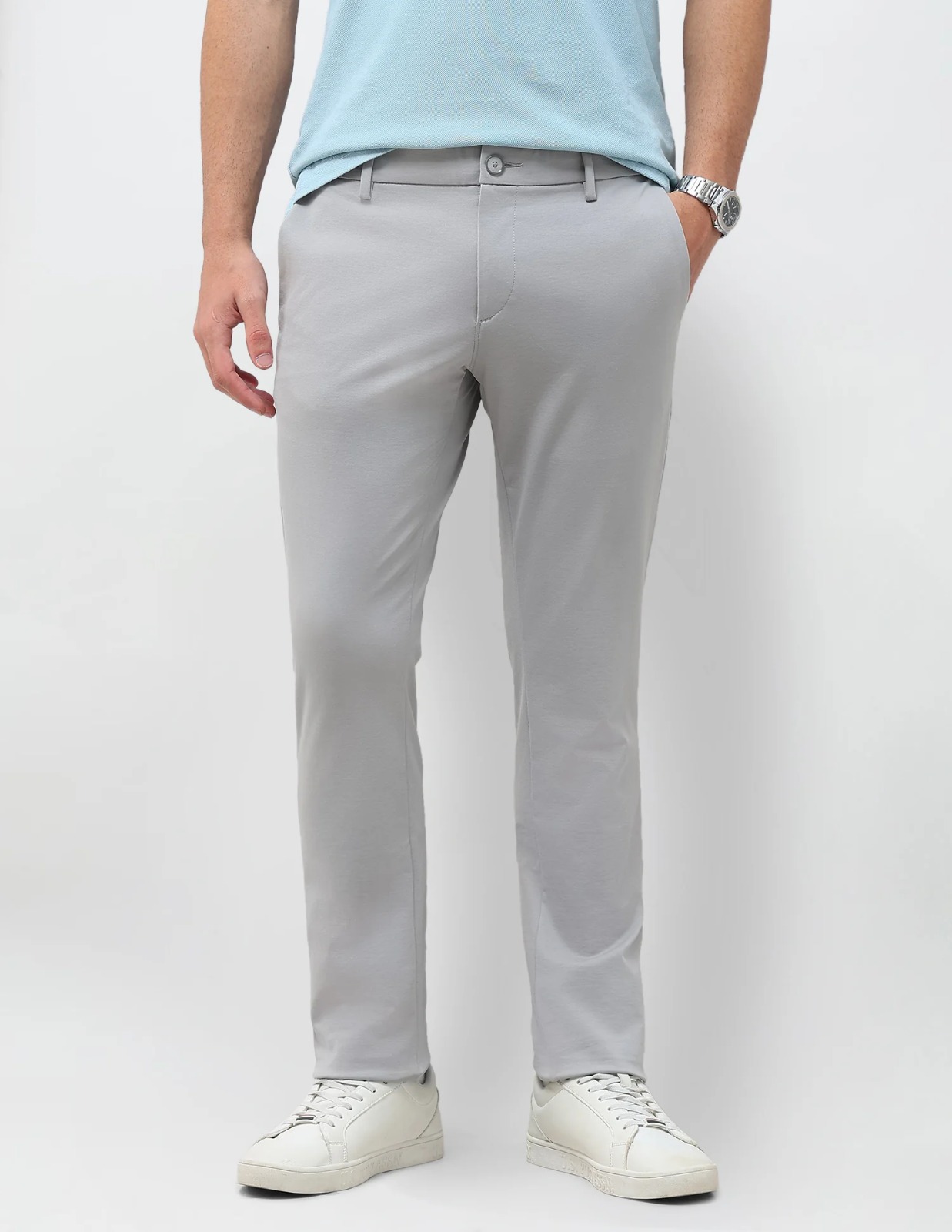
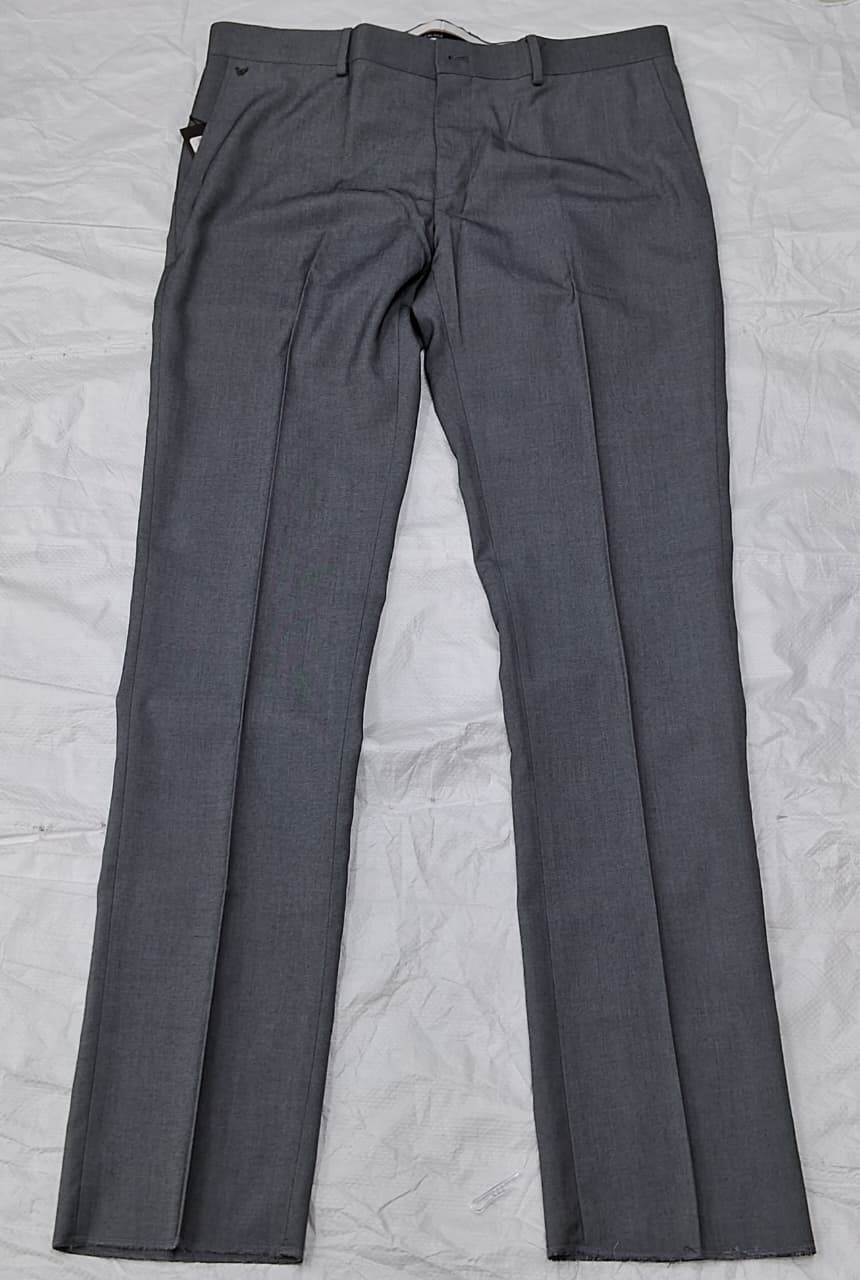
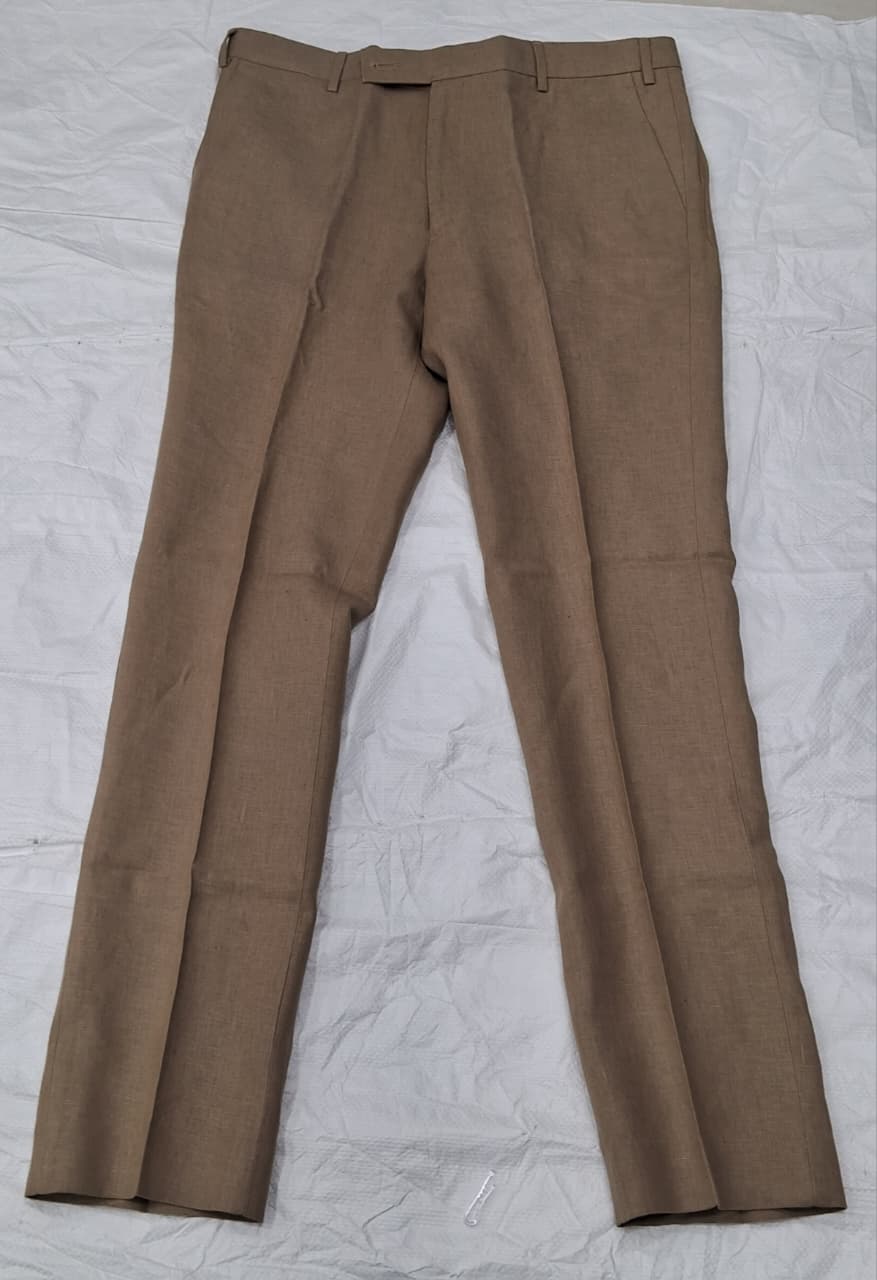
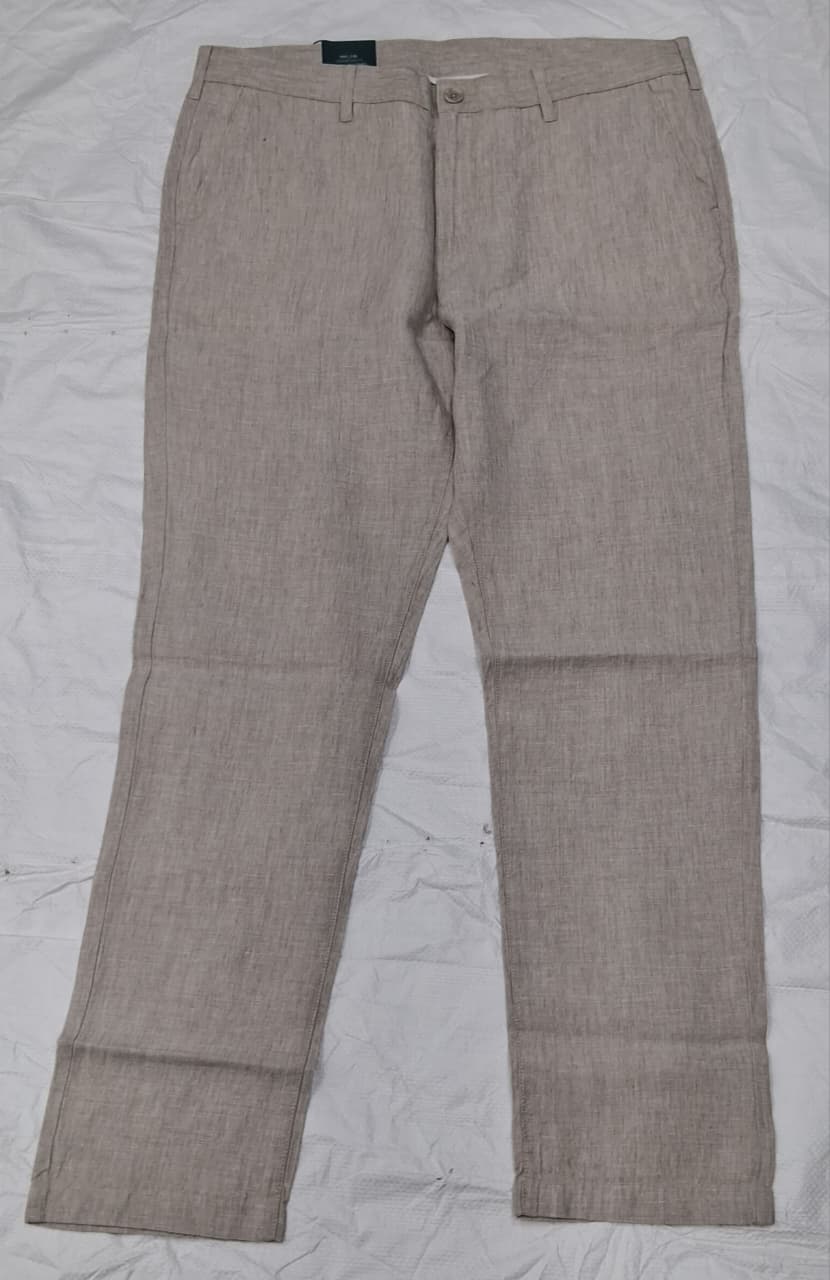
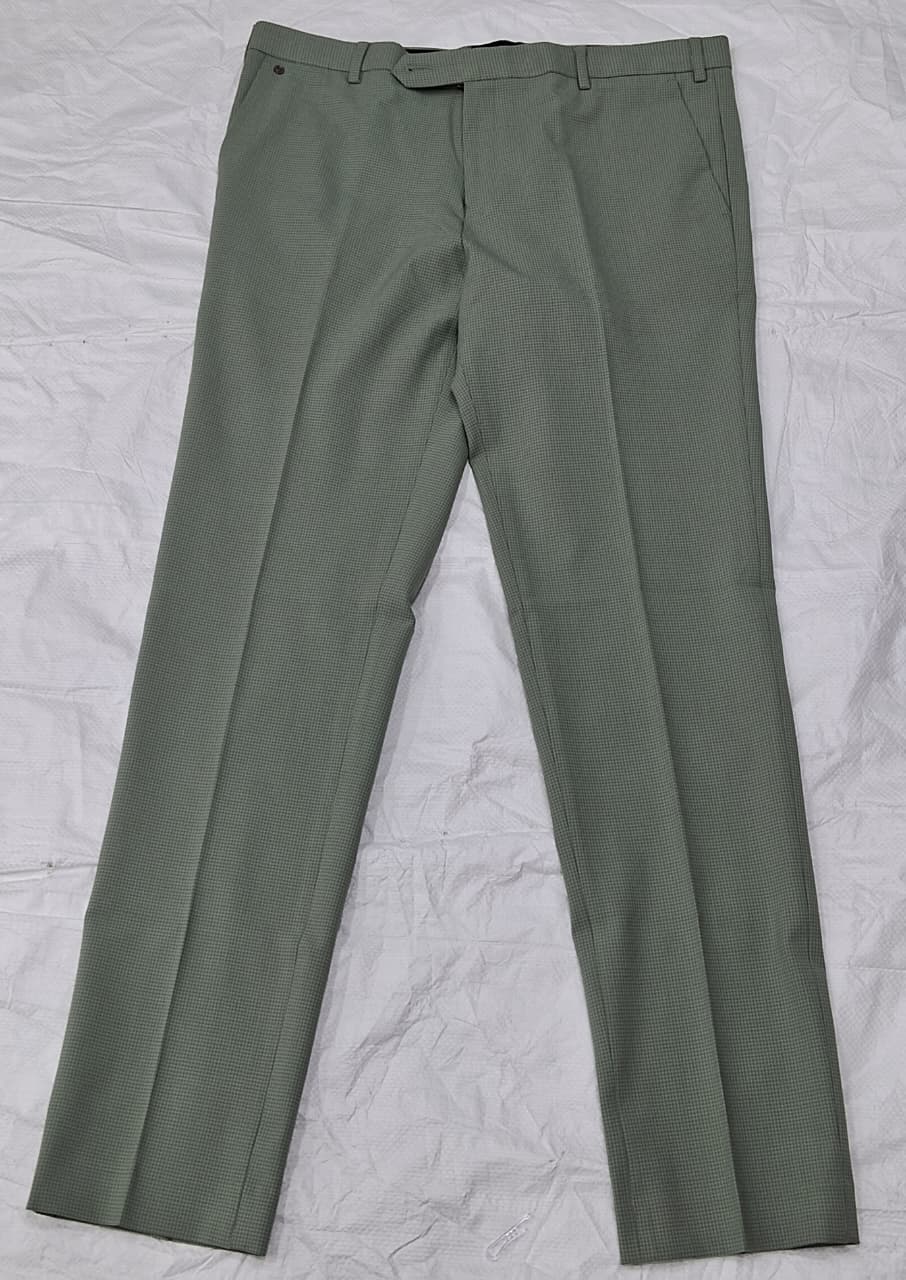
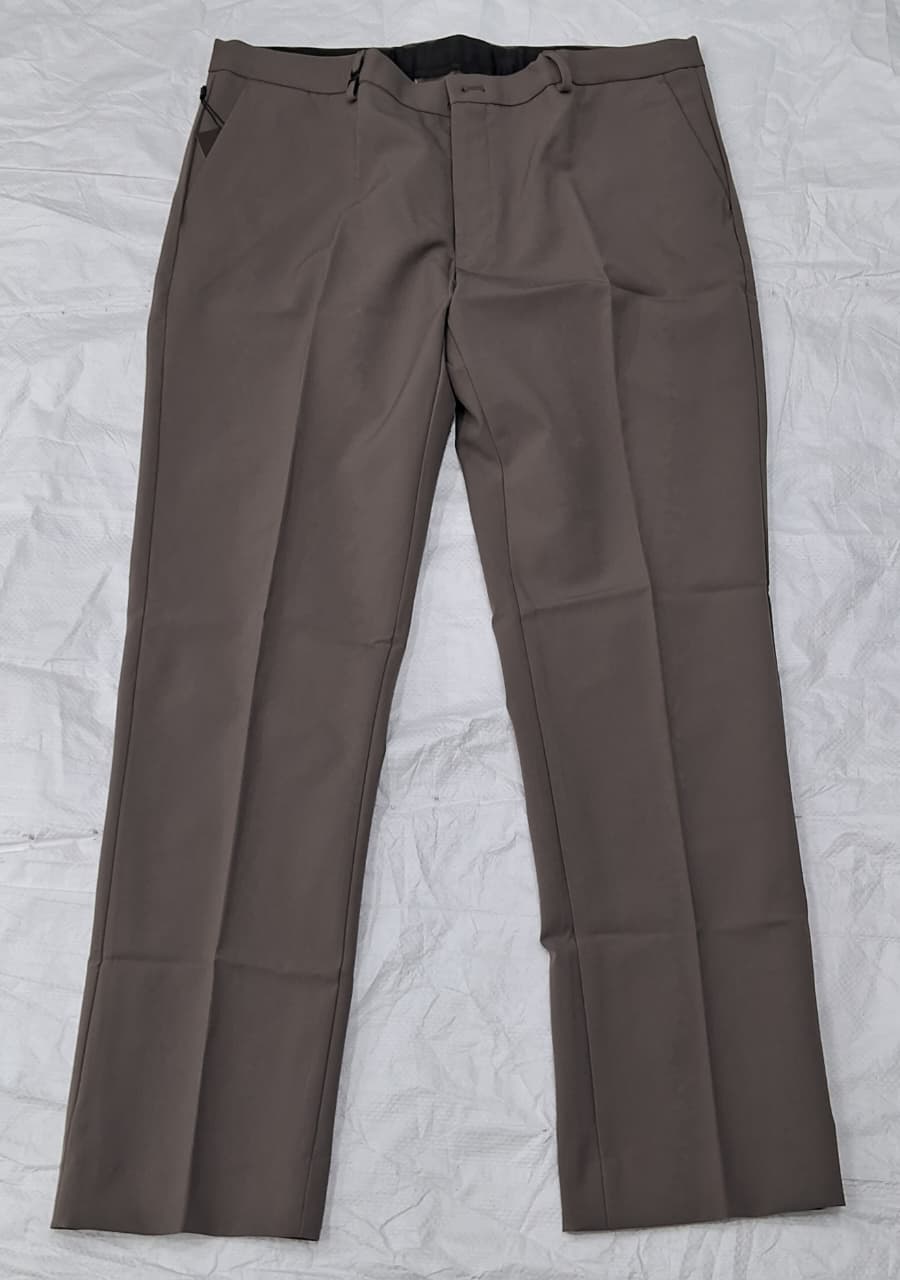
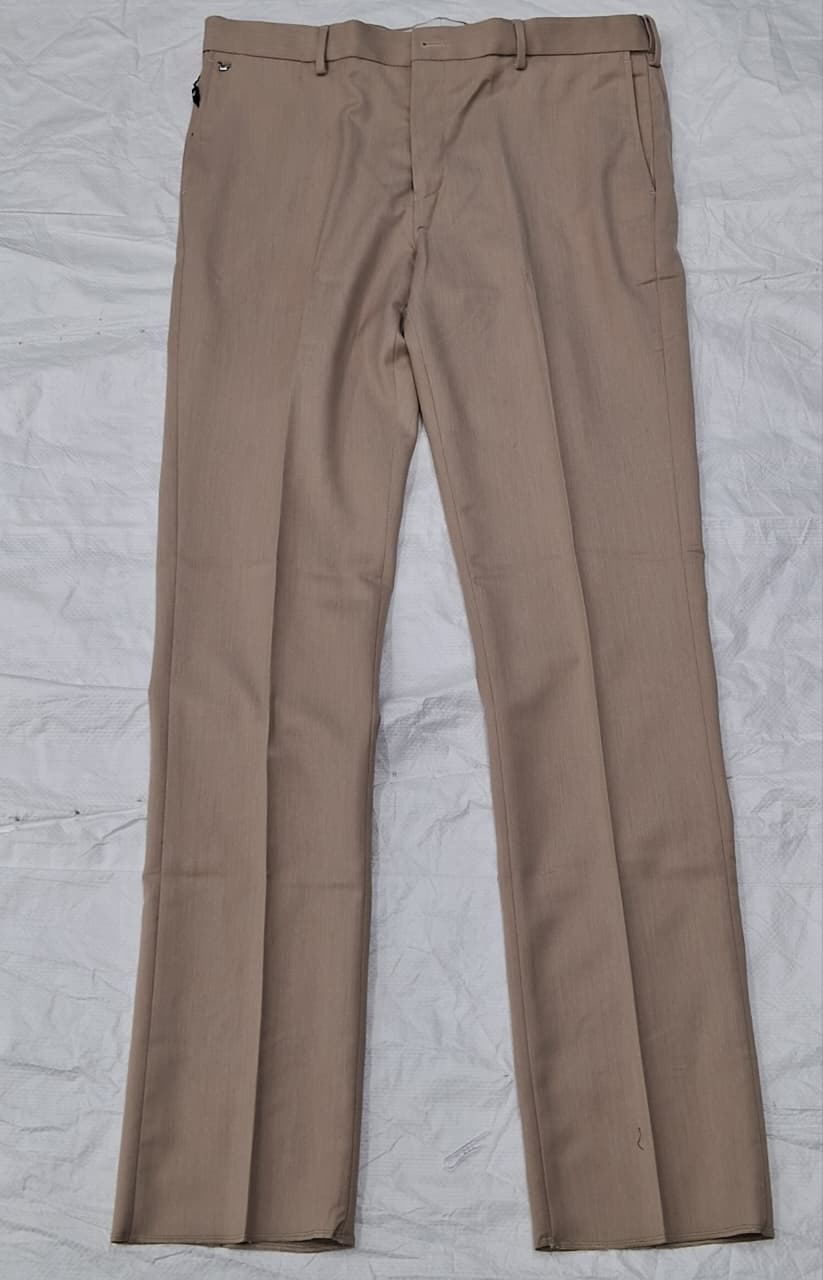
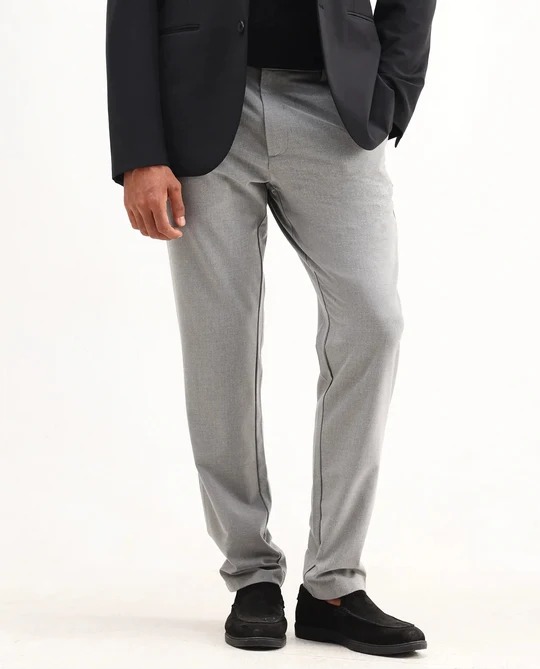
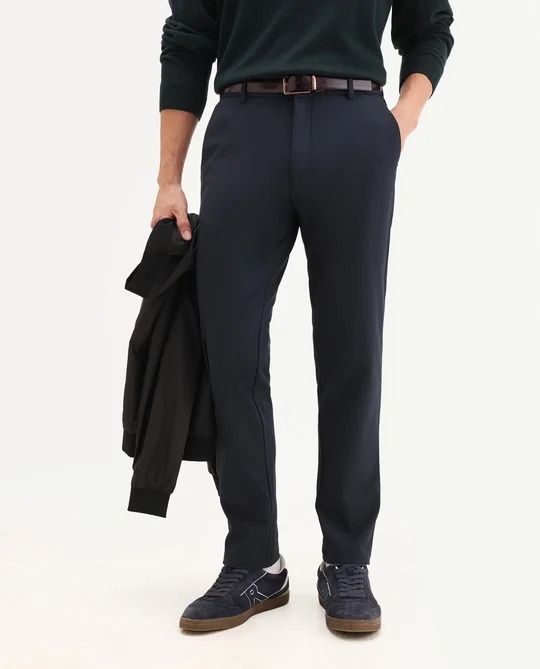
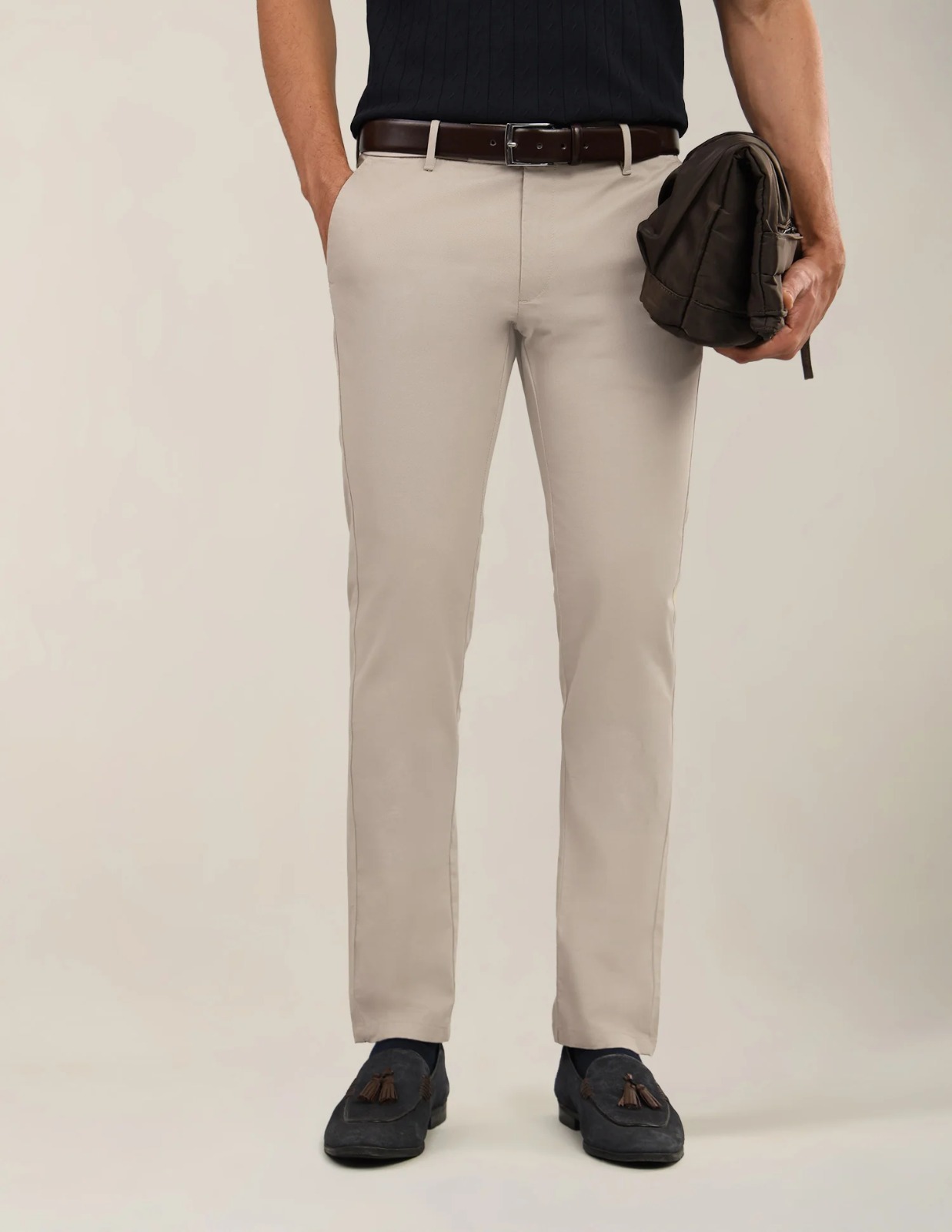
Two trousers with identical patterns can look entirely different in different cloths. Fabric decides drape, sheen, texture, breathability and how a crease holds through the day. These are the materials most commonly used in formal trousers.
Ref.MaterialAppearance & drapeBreathabilityWrinkle behaviourTypical application
MT-01
Wool & wool blends
Fine, matte to soft-sheen surface; fluid drape that holds a crease well.
Good — natural fibre that handles changes in temperature.
Recovers well; creases fall out after hanging.
Suits, formal trousers, business wear
MT-02
Cotton
Matte, dense, slightly casual hand; drape depends on weave weight.
Good, comfortable in warm weather.
Creases readily; benefits from pressing.
Smart-casual and summer office wear
MT-03
Cotton blends
Cotton look with added smoothness or recovery from the blended fibre.
Good, slightly reduced as synthetic content rises.
Better than pure cotton.
Everyday office trousers
MT-04
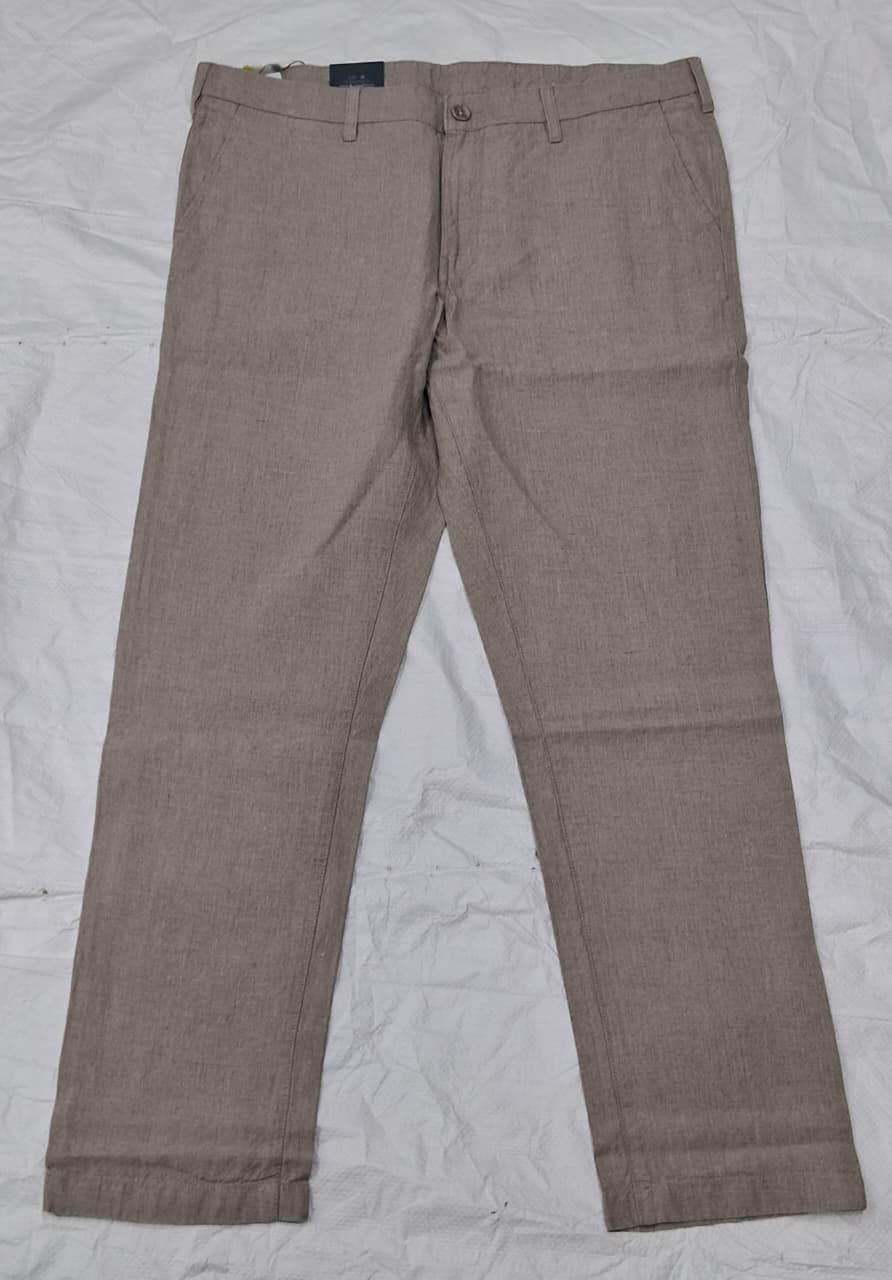
Linen blends
Dry, textured, slubbed surface with a relaxed, airy drape.
Very high — among the coolest options.
Wrinkles easily; character is part of the look.
Hot climates, resort and travel
MT-05
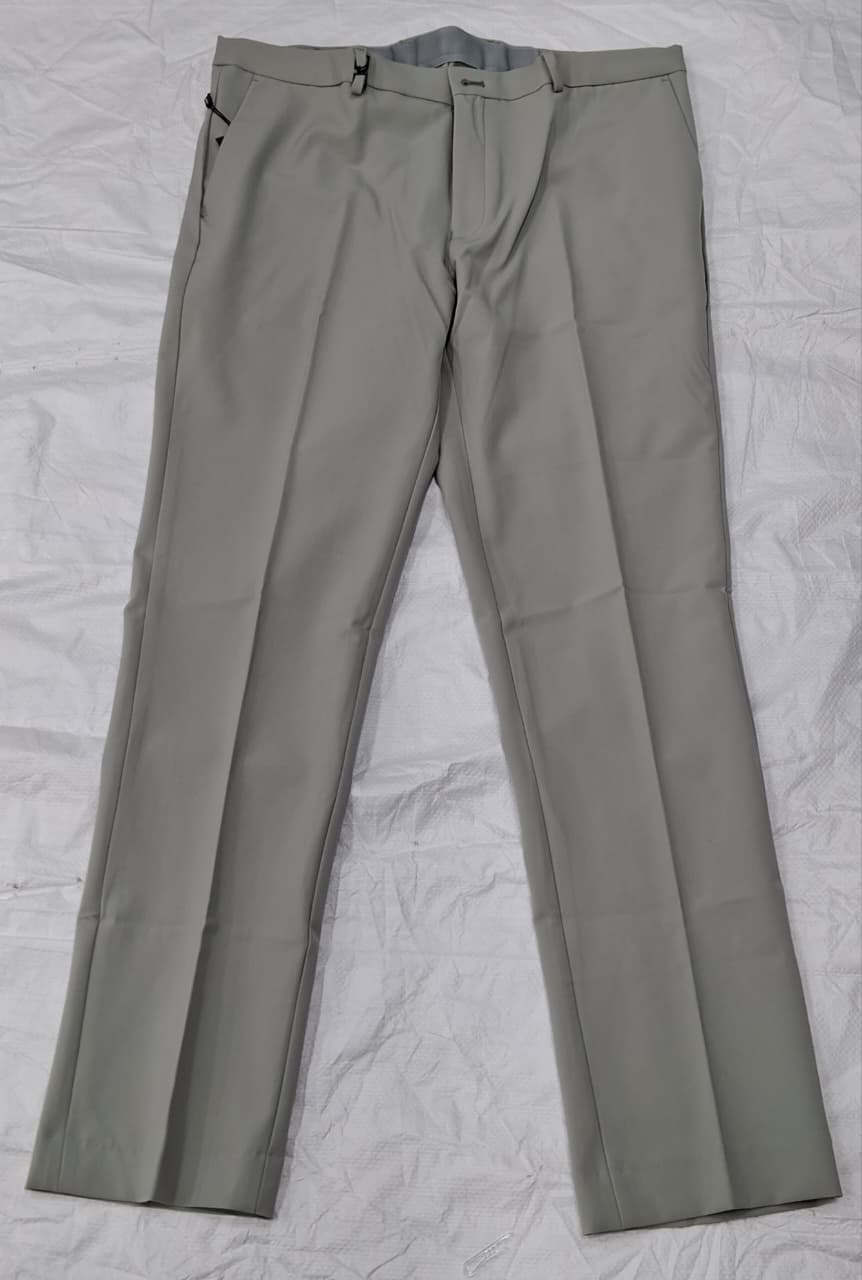
Polyester blends
Smooth, even surface; consistent colour; crisp drape.
Lower than natural fibres.
Highly resistant; holds shape and crease.
Easy-care office and uniform wear
MT-06
Stretch blends
Typically a small proportion of elastane for give; can look sleek.
Depends on base fibre.
Generally good recovery.
Slim fits, commuting, long days
MT-07
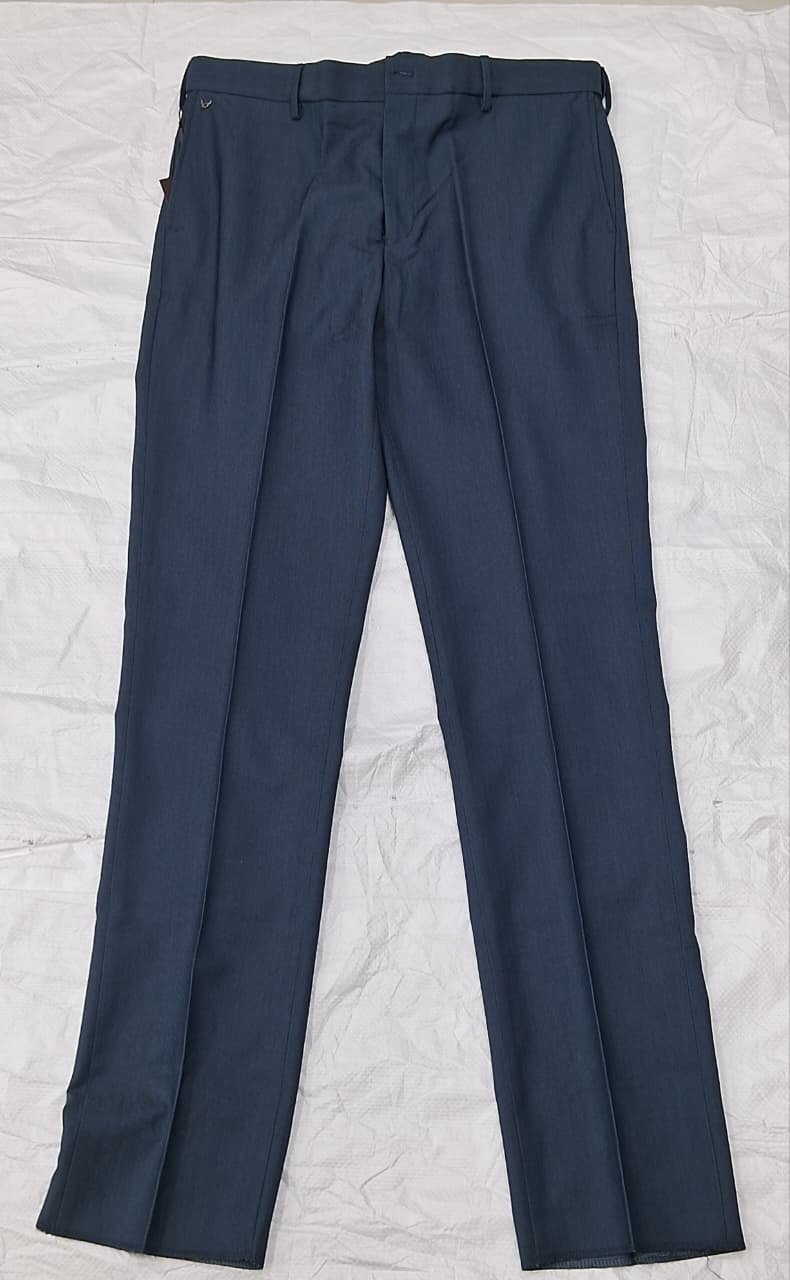
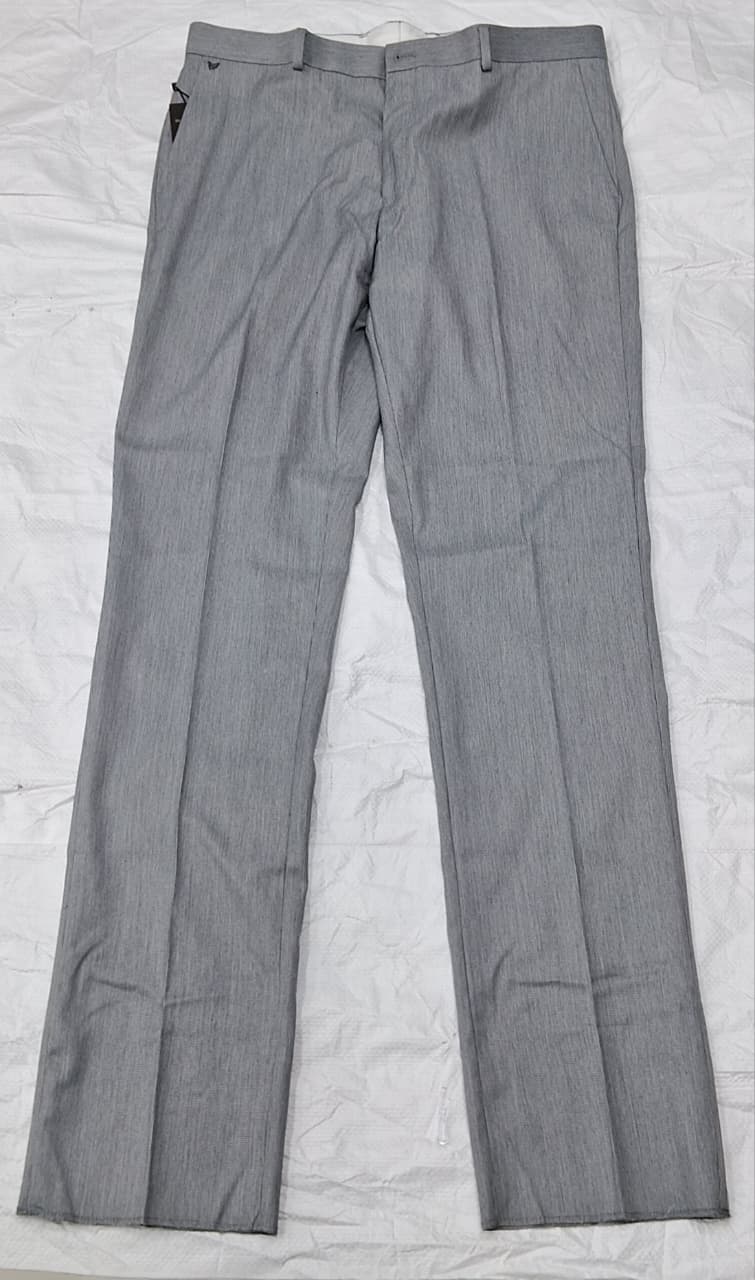
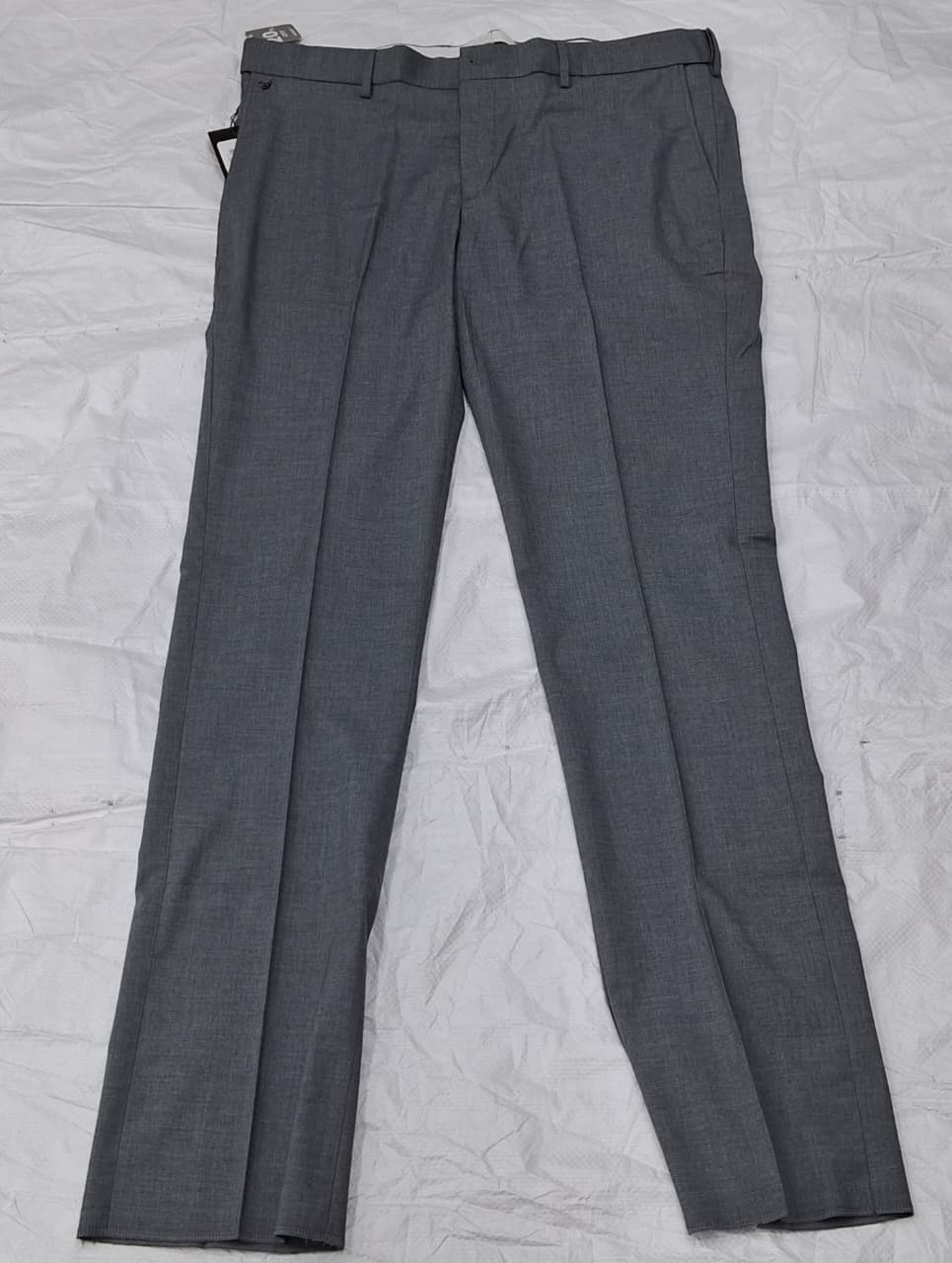
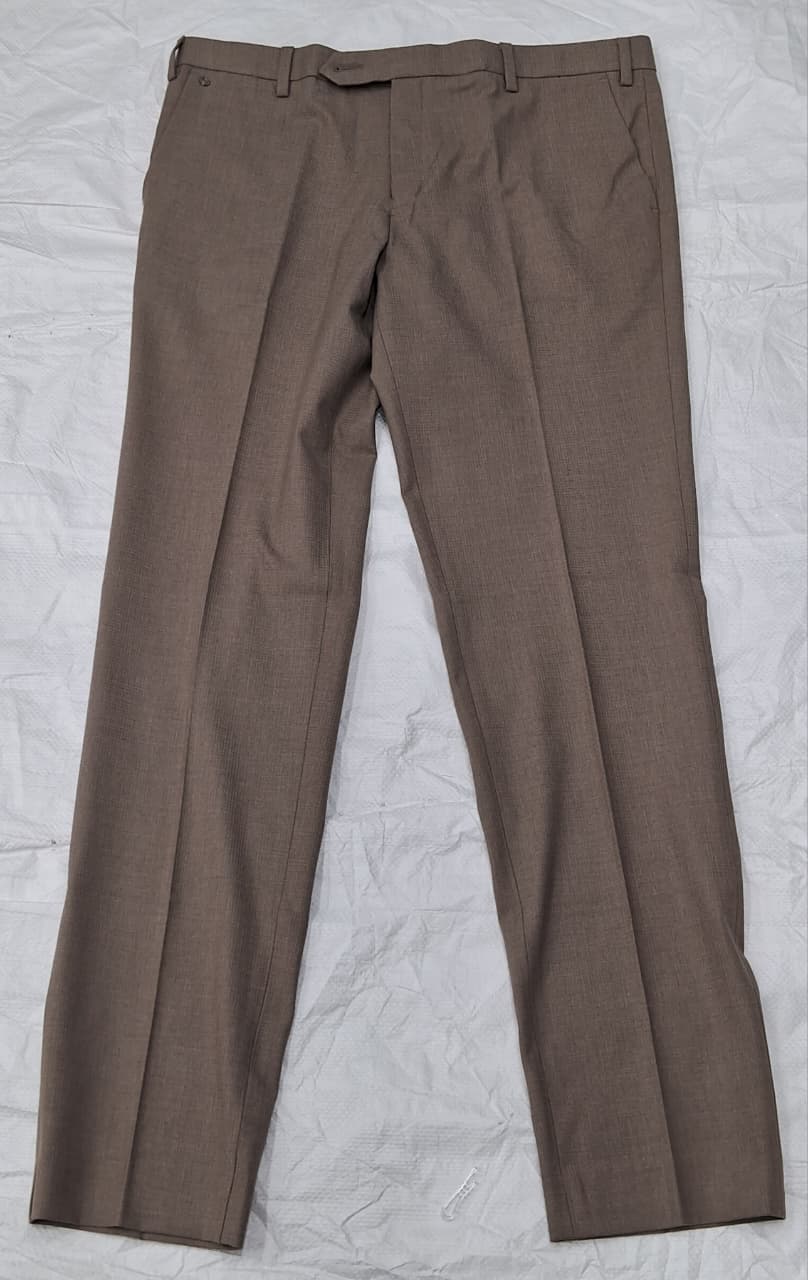
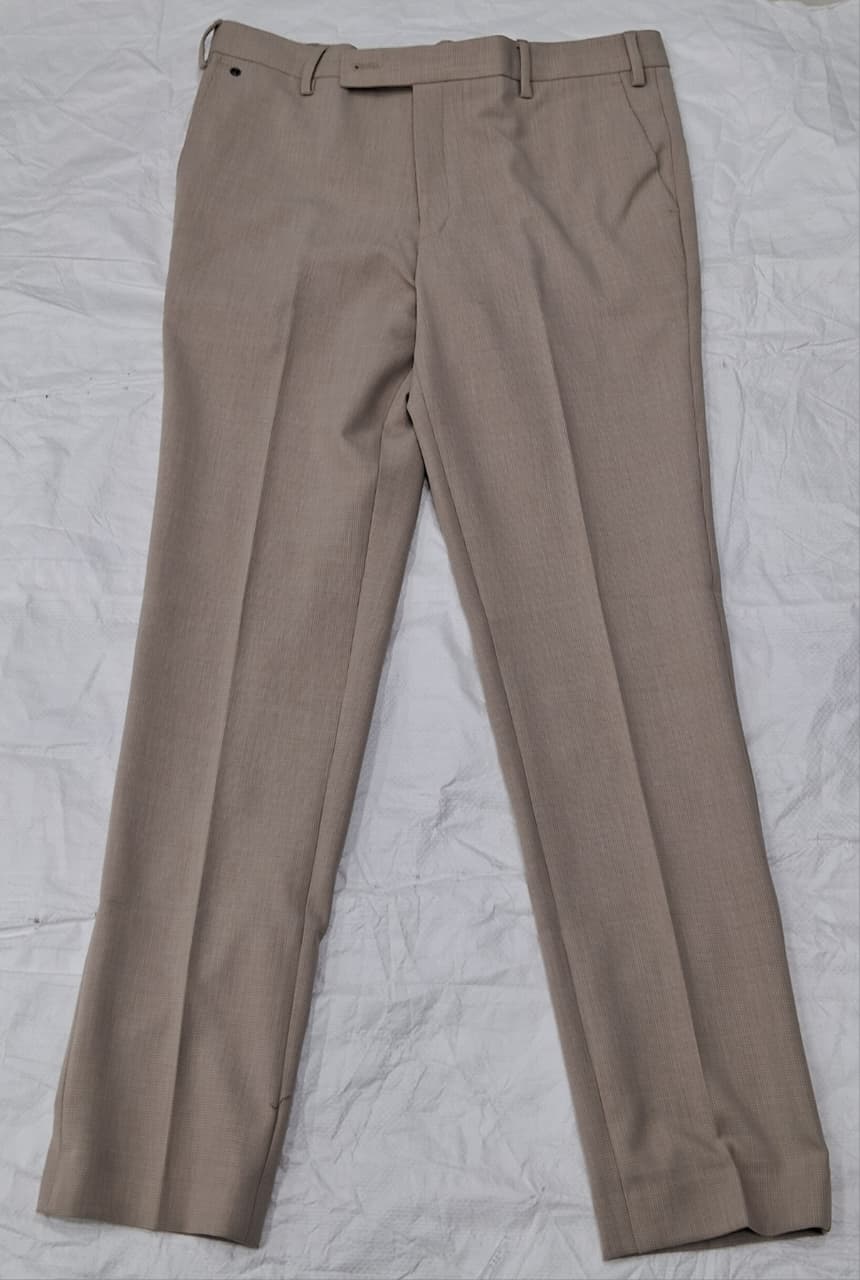
Textured formal fabrics
Checks, herringbones, melanges and dobby weaves add depth.
Depends on fibre content.
Texture helps disguise minor creasing.
Contemporary tailoring, separates